truelark portal
internal portal design
designing a centralized onboarding portal to reduce friction, clarify ownership, and streamline internal workflows.
Overview
TrueLark’s onboarding process involved multiple intermediaries and handoffs, leading to confusion and delays. I designed a centralized onboarding portal to improve clarity, reduce bottlenecks, and support cross-functional teams.
Problem
The onboarding workflow was fragmented across tools and stakeholders, making it difficult to track progress, identify ownership, and surface blockers.
Objective
- •Simplify and clarify the onboarding process
- •Reduce unnecessary steps and manual handoffs
- •Improve visibility for internal teams
- •Balance automation with usability
Research
I conducted interviews with four internal stakeholders and analyzed the existing onboarding workflow end-to-end. I also reviewed competitor onboarding portals to identify common patterns and opportunities.
Process
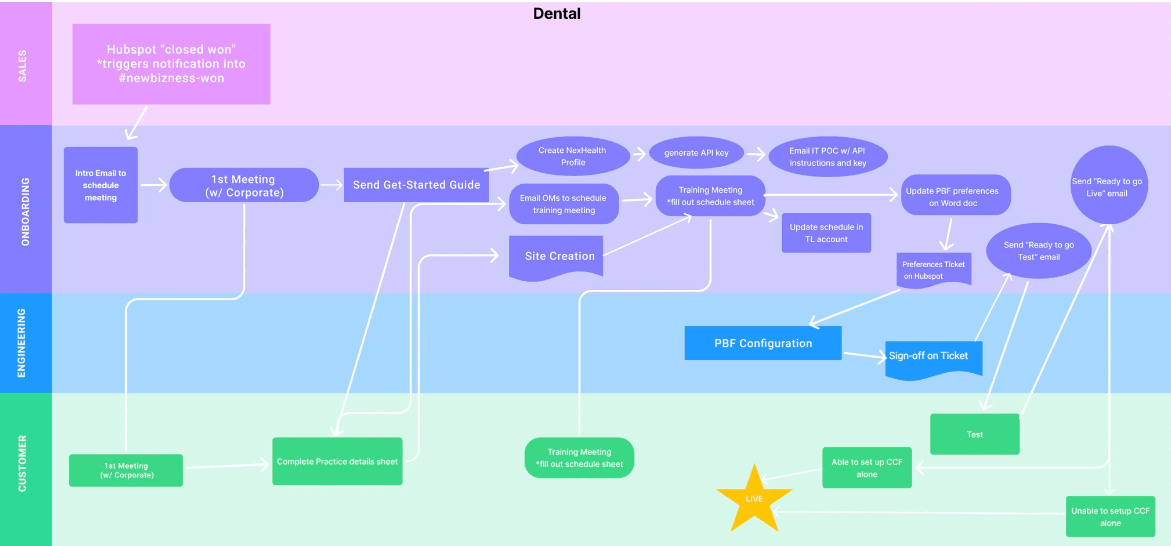
Using research insights, I mapped the workflow into a swim lane diagram to identify inefficiencies and clarify ownership across teams. I then collaborated with designers and engineers to align the portal structure with user needs and technical feasibility. Some implementation details are omitted for privacy.
Wireframing
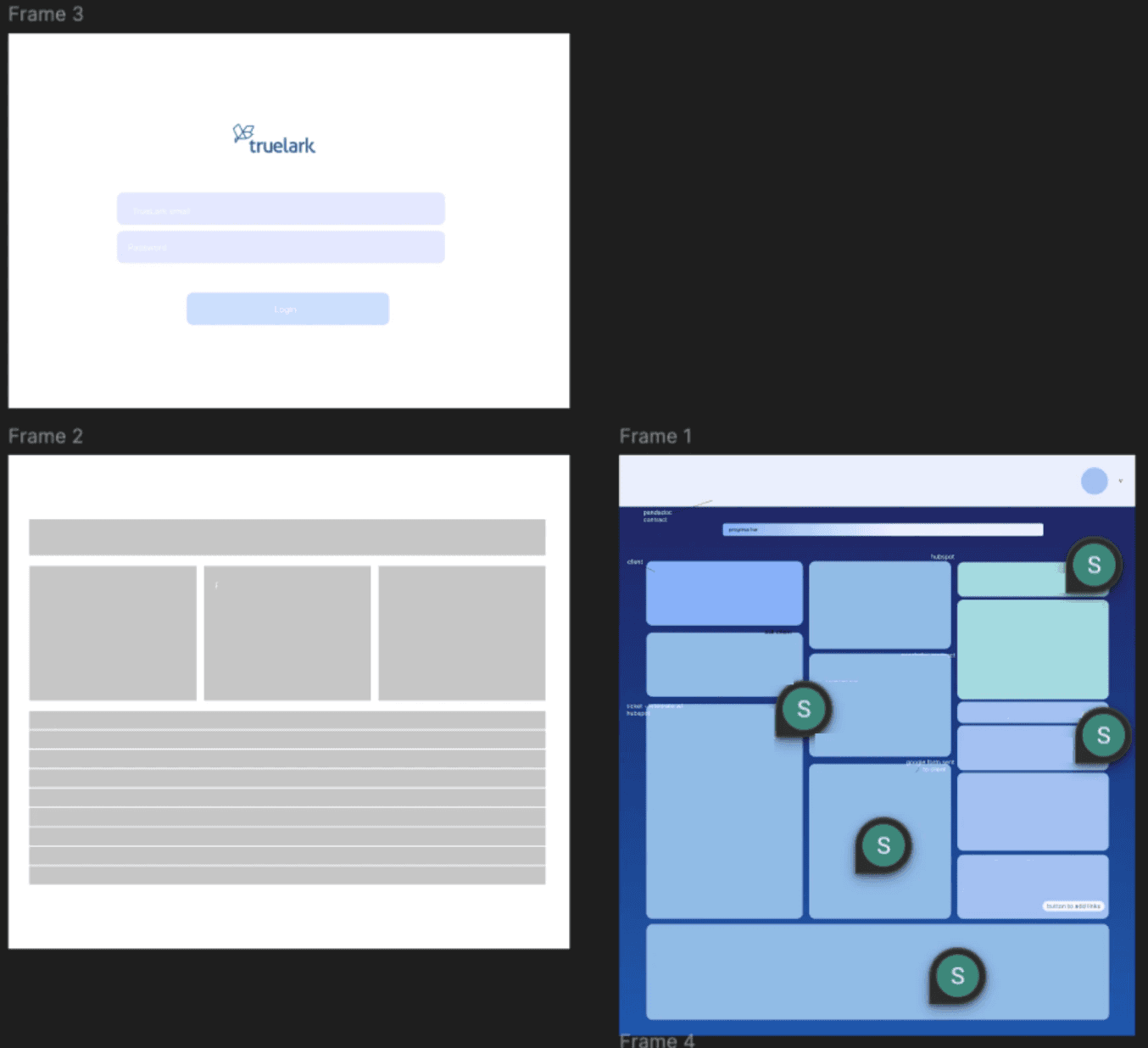
I translated the streamlined flow into wireframes and prototypes focused on visibility, task ownership, and reducing handoffs. Details are limited for company privacy.
Challenges
Balancing automation with user experience was critical. Automation needed to improve efficiency without removing important human touchpoints.
Solution
I identified repetitive tasks suitable for automation and validated proposed features through wireframing and usability testing to ensure clarity and efficiency.
Results
My research and designs clarified onboarding ownership and flow, informed the selection of a new onboarding tool, and positioned stakeholders to move forward with implementation.
Reflection
This project strengthened my ability to translate research into system-level design solutions while collaborating with cross-functional teams and aligning design with business goals.